Unread and Unbothered
Young people are tuning out from traditional media. Should climate communicators be worried?


Anyone trying to get climate information out right now does not need to be told that the media landscape is shifting. Over the past decade, traditional news outlets have been consistently losing ground to online sources, self-styled ‘independent’ media and, most recently, content creators.
Recently, two complementary studies have emerged that show us, in numbers, just how that landscape is changing - and in doing so, give us important guideposts for how to adapt.
The research, from the Reuters Institute and Pew Research, look at global and US-specific engagement with media and news. The findings are stark: social media is the main source of news for the world’s young people, and most eschew big-name news brands in favour of creators. Engagement with news tends to be incidental rather than sought-out, with most young people in particular saying they’re not interested in news and they don’t trust traditional outlets.

While the Reuters study focuses on youth, the Pew findings show that these trends cut across demographics - people of all ages, political affiliations and education levels are drifting away from mainstream media, albeit at slightly different rates.
The reasons are multiple and unlikely to be resolved any time soon. Over the past year, shifts in the media landscape have been amplified by a 24-hour news cycle that has been put on double speed and the deepening of the polycrisis that is stoking polarization. New technologies are driving changes in information consumption patterns and attention spans, while social upheaval is disrupting trust and cohesion.
The world is becoming more complex right at the time we’re losing our appetite for complexity.
What does this mean for climate communicators?
While climate information is sometimes news (although not as often as we’d hope), it’s more often news-adjacent, in that it’s typically factual and science-based, and closely intertwined with politics. This means that findings about news content are very applicable to climate content as well, offering valuable insights for communicators looking to reach audiences in a fast-moving, fragmented and low-trust environment.
Here, we’ll break down the big takeaways from these two studies, and provide recommendations for climate communicators to build relevance and trust.
Creators, not brands are the most trusted sources of information
Both the Reuters and Pew studies found that social media has become the main source of news for young people, with 39% accessing news through primarily video formats on Tiktok, Instagram and Youtube. Of these, over half are getting their news from content creators, not news brands.
Pew found that one in five Americans across all genders, political affiliations and education levels now get their news from social media influencers, with this number rising for young people and Black and Hispanic populations, who are more likely to feel their concerns are not reflected in traditional media.
The shift in trust to creators, who present as peers rather than authoritative figures, aligns with an increasing localisation of trust: people increasingly believe and want to hear from those who look and sound like themselves.
Actions for climate communicators
Adopt peer-to-peer content formats, such as break-down and explainer videos, with messengers that will resonate with your audience.
Consider partnering with content creators who already have high trust with followers.
Beware of using organisational staff who may be perceived as less authentic and therefore less trustworthy.

Relevance is crucial
Young people are inheriting a deeply uncertain future and an increasingly complex world. It can be hard to decipher how global conflicts, economic shifts and the climate crisis will impact them, not helped by growing up in a post-truth era where information is everywhere and everything can be manipulated.
At the same time they, alongside racialized populations, feel alienated by news coverage that they perceive as dry and disconnected from their day-to-day concerns. Traditional media doesn’t feel like it’s speaking to, or about, them.
Actions for climate communicators:
Reflect concerns back to young people in the content you create. Showing that you see and understand them is how you win attention and trust.
Join the dots. Don’t just say what’s happening, show people why climate news matters to them. Housing affordability, grocery prices and health impacts are all relatable concerns, but don’t assume the link to climate change is obvious to your audience.
Cut through complexity: use visual media like infographics and animations to break down big concepts. News influencers that ‘decode’ the news for young people, such as Cody Dahler, Dylan Page and Abhi and Niyu, or The Juice Media’s satirical explainers can provide a template for doing this well.
… But so is entertainment
Just over a third of young people are interested in the news. Most see news as depressing, and would rather use social media as an escape from reality, not a place to engage more deeply with the world’s challenges.
At the same time, while major platforms claim their algorithms don’t actively suppress climate content, they do prioritise content that entertains, which ultimately has the same effect when climate messaging feels like the economics lecture from Ferris Bueller.
Actions for climate communicators:
Don’t be afraid to use novel approaches that can expand your message’s reach. Humour, memes, music, pop culture and first-person storytelling are all proven techniques that creators like Oli Frost and Randy Rainbow have used with significant success.
Edginess is key. The jokes in the Oscars introductory speeches are awkward for a reason - they play it safe, and it flops. A willingness to take creative risks and push boundaries is crucial.
Remember it’s not about engagement for engagement’s sake - ensure a call to action is embedded in all content.
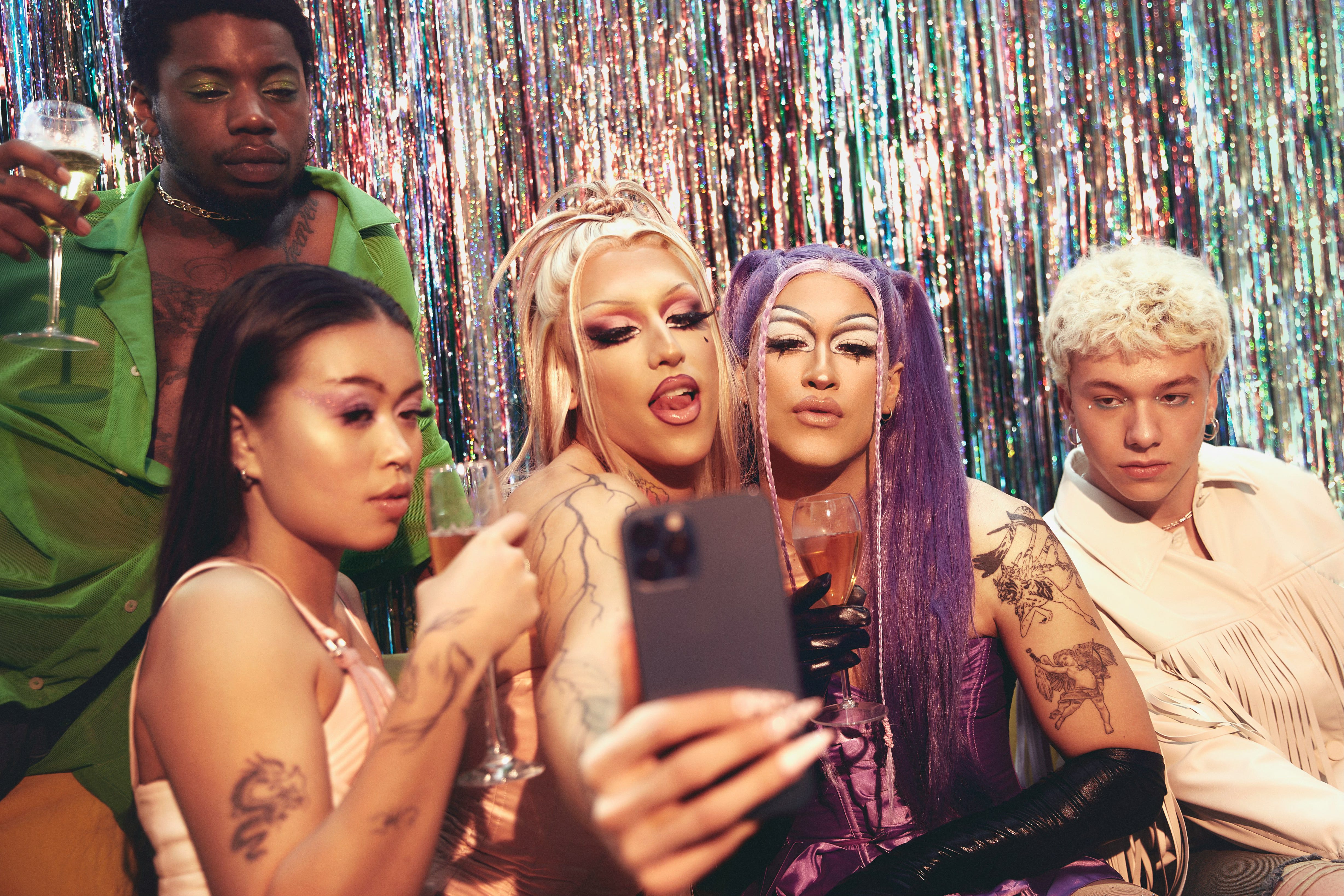
The media is dead, long live the media
While those of us who are concerned about the fourth estate might feel alarmed at rising disengagement with traditional news, there are a few things to bear in mind before we reach for the smelling salts. First, there is still a place for media — a vital one. News stories keep climate in the spotlight and hold key actors accountable. Decision-makers continue to look to media coverage to assess the legitimacy of climate campaigns and policy asks, and to take public temperature.
Second, adopting light-hearted and creator-led communications approaches doesn’t mean giving up on the role of media, it can be a pathway to highlighting the importance of rigorous journalism and funneling younger audiences towards news that matters, building engagement and media literacy over time.
Last, just because younger and marginalized audiences are engaging less with serious topics online, doesn’t mean they’re apathetic. Other studies show that youth actively care about their communities and are more likely to participate in rallies, boycotts and other forms of activism. Social media can be a tool to build greater self-efficicacy and civic engagement, if it’s done right.
News isn’t dead, but how we engage with it is changing, and what works today may not work tomorrow. Adaptation, experimentation and a willingness to take risks are crucial skillsets for climate communicators.
 | A guest post by
|